Friday, November 22, 2024

How to Identify and Fix the Causes of Septic Tank Odor

How to Identify and Fix the Causes of Septic Tank Odor

Identifying and Addressing the Sources of Septic Tank Odor

Unpleasant odors emanating from a septic system are not only distressing but also indicative of underlying problems that require prompt attention. Ignoring these smells can lead to more significant and costly issues, including environmental contamination and structural damage. This comprehensive guide outlines the common causes of septic tank odor and provides detailed strategies for effective remediation. Understanding the source of the odor is crucial for implementing the appropriate solution, preventing recurrence, and ensuring the long-term health of your septic system.

Common Sources of Septic Tank Odor

Septic tank odor is typically a sign that the system is not functioning optimally. Several factors contribute to the release of foul-smelling gases, primarily hydrogen sulfide and methane, which are produced during the anaerobic decomposition of organic waste. The odor's intensity and character can offer clues to pinpoint the problem's origin.

1. Septic Tank Issues

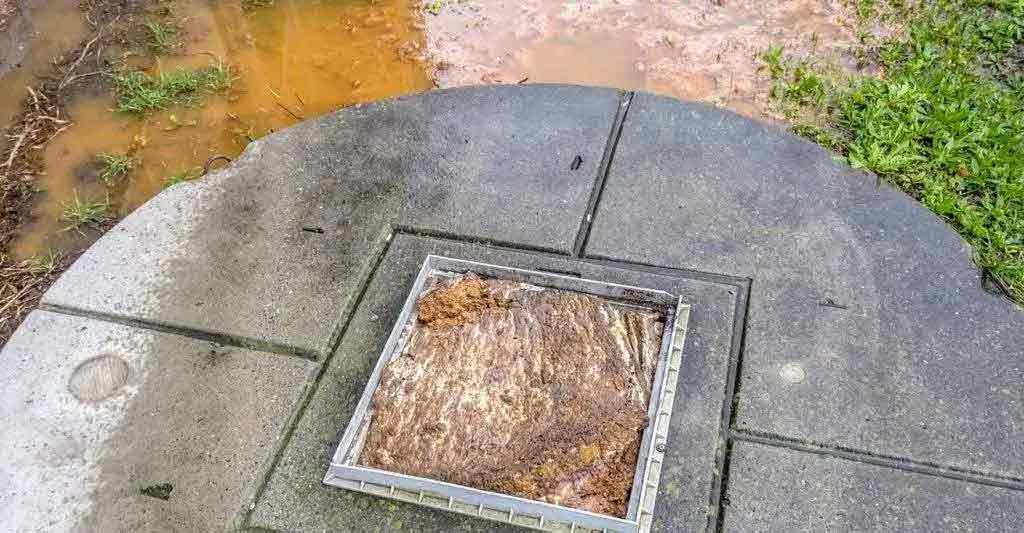
The septic tank itself can be the primary culprit. Insufficient capacity, due to an oversized household or infrequent pumping, leads to sludge buildup. This buildup restricts the flow of wastewater, causing gases to escape through cracks, vents, or even the ground surrounding the tank. Cracked or deteriorated tanks are another major source of odor. Age, ground shifting, and improper installation can all compromise the tank’s structural integrity, allowing gases to seep out.

Improperly functioning baffles, which separate the solids from the liquid, can also cause problems. Damaged baffles permit solids to escape into the drain field prematurely, interfering with the breakdown process and contributing to odor. Regular inspection and maintenance are crucial for preventing these issues.

2. Drain Field Problems

The drain field, or leach field, is responsible for dispersing the treated wastewater into the surrounding soil. Clogging of the drain field, often caused by excessive solids from the septic tank, overloaded systems, or inappropriate landscaping, prevents proper drainage and promotes anaerobic conditions. This leads to a backup of wastewater and the release of foul-smelling gases. Soil saturation further exacerbates this issue, as it impedes the drainage process, creating a breeding ground for odor-producing bacteria.

Collapsed or damaged drain lines within the drain field can also release odor. Root intrusion, settling ground, or improper installation can compromise the integrity of these lines, creating pathways for wastewater and associated gases to escape.

3. Ventilation Problems

Proper ventilation is critical for a functioning septic system. Blocked or inadequate venting creates pressure buildup within the system. This pressure forces gases to seek alternative escape routes, including through cracks or openings in the tank, drain lines, or even inside the house through plumbing fixtures. A properly installed and maintained vent pipe is essential to release gases safely away from living areas.

4. Plumbing Issues

Problems within the household plumbing system can contribute to septic tank odor. Dry traps, such as the P-traps under sinks and tubs, lose their water seal, allowing sewer gases to enter the house. Leaking pipes can also release sewer gases directly into living spaces. Regular checks of plumbing fixtures and promptly addressing any leaks are crucial.

5. Landscaping Issues

Improper landscaping practices can negatively impact a septic system. Planting trees or shrubs too close to the septic tank or drain field can damage the drain lines through root intrusion. Compacted soil above the drain field hinders proper drainage and aeration, leading to odor. Heavy equipment or construction activities near the septic system can also cause damage.

Troubleshooting and Remediation Strategies

Addressing septic tank odor requires a systematic approach, starting with careful observation and investigation. Identifying the source of the problem will guide the selection of the most appropriate solution.

1. Inspection and Diagnosis

The first step is to carefully inspect the septic tank and drain field for any visible signs of damage or malfunction. This may involve looking for cracks, settling, or evidence of excessive moisture. Consider contacting a qualified septic system professional to conduct a thorough inspection, including a visual examination of the tank and drain field, and possibly a camera inspection of the drain lines.

2. Septic Tank Pumping

If the odor is due to sludge buildup, regular septic tank pumping is necessary. The frequency of pumping depends on factors such as household size, wastewater volume, and tank size. A professional should determine the appropriate pumping schedule.

3. Drain Field Repair or Replacement

If the drain field is clogged or damaged, repair or replacement may be required. This involves excavating the drain field, inspecting the lines, and addressing any issues. Installing a new drain field is a more involved process and requires careful planning and professional expertise. In some cases, a soil evaluation might be necessary to assess suitability for a drain field.

4. Plumbing Repairs

Addressing plumbing problems, such as dry traps or leaking pipes, is crucial for preventing sewer gases from entering the house. Repairing or replacing faulty plumbing components should be done by a licensed plumber.

5. Landscaping Modifications

If landscaping practices are contributing to the problem, adjustments are necessary. This may involve removing trees or shrubs near the septic system, improving soil drainage, or restricting heavy traffic in the vicinity. Consult with a landscaping professional to determine the best approach.

6. Ventilation System Checks

Ensure the septic tank’s vent pipe is unobstructed and functioning properly. A blocked vent can lead to pressure buildup and odor. Clear any blockages or have a professional inspect and repair the ventilation system as needed.

Preventive Measures

Regular maintenance and preventative measures are essential for avoiding future odor problems. This includes:

  • Scheduling regular septic tank pumping based on professional recommendations.
  • Avoiding the disposal of harmful substances, such as chemicals, paints, and excessive amounts of grease, down the drain.
  • Regularly inspecting the plumbing system for leaks and maintaining proper water seals in traps.
  • Limiting landscaping activities near the septic system.
  • Maintaining proper soil drainage around the system.
  • Regularly checking the ventilation system for obstructions.

By following these guidelines and addressing problems promptly, homeowners can significantly reduce the likelihood of encountering unpleasant septic tank odors and maintain a healthy and efficient septic system.


Wednesday, November 20, 2024

How Do I Know If My Septic Tank Smell Is Caused by Vent Problems?

How Do I Know If My Septic Tank Smell Is Caused by Vent Problems?

Is That Septic Smell Coming From Your Vent?

That unmistakable sewage odor wafting from your yard can be a real headache. While several issues can cause septic tank smells, problems with the vent pipe are a frequent culprit. Identifying a vent problem is crucial because it directly impacts your septic system’s health and your family’s well-being. Ignoring it can lead to more serious (and expensive) problems down the line. This guide will help you determine if your septic tank smell originates from a faulty vent system.

Understanding Your Septic System’s Vent

Your septic system's vent pipe, often called a vent stack, is a crucial component. It's a pipe that extends from the septic tank and usually rises several feet above the ground, sometimes even through the roof. Its primary function is to equalize pressure within the system. As wastewater decomposes, gases are produced. Without a properly functioning vent, these gases build up pressure inside the tank, forcing sewage back up through drains and toilets â€" hence that unpleasant smell. The vent allows these gases to escape safely into the atmosphere.

Signs Your Septic Tank Smell is Vent-Related

Several indicators point towards a vent problem as the source of your septic odor. Don't just rely on your nose; pay attention to other clues. A purely olfactory diagnosis might be misleading. Use your observation skills to truly pinpoint the issue.

The Obvious: The Smell Itself

A strong, persistent sewer smell near the vent pipe location is the most obvious sign. If the odor is concentrated around the vent stack, it strongly suggests a problem with the pipe itself. The smell might be intermittent, stronger after showers or when appliances like washing machines are used. This indicates pressure fluctuations within the system that the vent isn't effectively managing.

Beyond the Smell: Other Warning Signs

Don't solely rely on the smell. Look for these accompanying signs:

  • Gurgling sounds from drains: This suggests air is struggling to move freely through the system due to a blockage or faulty vent.
  • Slow-draining sinks or toilets: Pressure buildup from a clogged or poorly functioning vent can restrict the flow of wastewater.
  • Sewage backup in drains or toilets: This is a serious indication of a complete blockage or failure of the vent system.
  • Visible damage to the vent pipe: Inspect the vent pipe for cracks, breaks, or blockages from debris such as leaves, twigs or animals’ nests. A damaged pipe provides an obvious escape route for foul-smelling gases.

What to Do If You Suspect Vent Problems

If you suspect your septic tank smell is due to vent issues, don't attempt DIY repairs unless you have experience with plumbing. Incorrect repairs can worsen the problem. Instead, contact a qualified septic system professional immediately. They can:

  • Inspect the entire vent system for blockages, cracks, or other damage.
  • Clear any blockages found in the vent pipe.
  • Repair or replace damaged sections of the vent pipe.
  • Ensure proper venting height and airflow.

Ignoring a faulty septic vent can lead to serious health risks and costly repairs. Prompt attention to the problem ensures the safe and efficient operation of your septic system.

Tuesday, November 19, 2024

How Can I Stop Septic Smells from Spreading in My Yard?

How Can I Stop Septic Smells from Spreading in My Yard?

Banishing Septic Odors: A Guide to a Fresh-Smelling Yard

That unmistakable septic smell wafting through your yard is not only unpleasant but also a sign that something might be amiss with your septic system. Ignoring the problem can lead to more significant issues down the line, so tackling the odor is crucial. This guide provides comprehensive strategies to identify the source and effectively eliminate those offensive septic smells, transforming your yard into a fragrant oasis once more.

Identifying the Source of the Smell

Before you start tackling the smell, you need to pinpoint its origin. A systematic approach is key. Begin by carefully examining your septic system’s components: the tank, the drain field (or leach field), and the vent pipes. Look for signs of standing water, cracks, or unusual dampness around these areas. A pungent odor emanating directly from the tank lid suggests a problem within the tank itself, potentially requiring professional intervention. If the smell is more diffuse, the drain field might be the culprit, indicating a possible clog or failure. Check your vent pipes as well; a blocked vent can cause pressure build-up, forcing sewage gases back up into your yard.

Inspecting the Drain Field

The drain field, often hidden beneath the grass, is a critical area to assess. Look for unusually lush or overly saturated patches of grass, which indicate areas where wastewater is surfacing. These patches may be warmer to the touch than surrounding areas. Avoid walking directly on the drain field to avoid compaction, which can damage the system. If you suspect a problem, it's best to consult a septic professional for a thorough inspection.

Effective Strategies to Eliminate Septic Odors

Once you've identified the source, you can employ targeted solutions to eliminate the smell. These strategies range from simple home remedies to professional interventions, depending on the severity of the issue.

Simple Home Remedies

For minor odor issues, some simple home remedies can prove effective. Regularly sprinkling baking soda around the septic tank and drain field can help neutralize odors. Similarly, pouring a mixture of vinegar and water down your drains can help clear minor clogs and freshen the pipes. However, these are temporary solutions and won't address underlying problems.

Professional Solutions for Serious Problems

If the odor persists despite home remedies, or if you suspect a more significant problem with your septic system, it’s crucial to contact a qualified septic professional. They can perform a thorough inspection, identify the root cause, and provide appropriate solutions. This might involve pump-outs, drain field repairs, or even a complete system replacement. Don't delay seeking professional help, as ignoring septic system issues can lead to costly repairs and serious environmental contamination.

Maintaining a Healthy Septic System

Preventing septic odors begins with proactive septic system maintenance. This includes:

  • Scheduling regular septic tank pump-outs â€" typically every 3-5 years, depending on your household size and usage.
  • Avoiding pouring grease, chemicals, and excessive amounts of toilet paper down the drains.
  • Regularly inspecting the system for any signs of leaks or problems.
  • Planting appropriate vegetation away from the drain field to avoid root intrusion.
By following these simple yet crucial steps, you can keep your septic system functioning smoothly and your yard smelling fresh and inviting.

Remember, a consistently foul-smelling yard is not just an inconvenience; it's a strong indicator of a potential septic system problem. Addressing the issue promptly will prevent escalating damage and ensure a healthy, pleasant outdoor environment for years to come.

Sunday, November 17, 2024

How to Fix Strong Septic Tank Smells in Your Bathroom

How to Fix Strong Septic Tank Smells in Your Bathroom

How to Fix Strong Septic Tank Smells in Your Bathroom

A strong septic tank smell emanating from your bathroom is a frustrating and unpleasant problem. It can be a sign of a variety of issues, from a minor clog to a more serious malfunction in your septic system. Fortunately, there are several steps you can take to identify the source of the smell and eliminate it. This article will guide you through the process of diagnosing and resolving strong septic tank smells in your bathroom.

Common Causes of Septic Tank Smells

Before diving into solutions, understanding the potential causes of septic tank smells is crucial. The most common culprits include:

1. Clogged Drain Pipes

A common cause of bathroom odors is a clog in the drain pipes. Hair, soap scum, and other debris can build up and create a blockage, preventing waste from flowing properly. This can lead to a backup of sewage, resulting in a foul odor.

2. Faulty Septic Tank System

Your septic system is designed to separate solid waste from liquid waste. When the system malfunctions, it can lead to a backup of sewage, causing unpleasant smells in your bathroom. This could be due to a variety of factors, such as:

  • A full septic tank
  • A malfunctioning septic pump
  • A cracked or leaking septic tank
  • A clogged leach field

3. Poor Ventilation

Proper ventilation is essential for a healthy septic system. If your bathroom lacks adequate ventilation, odors can become trapped and accumulate. This can occur if there are issues with the bathroom exhaust fan, or if the vents are blocked or insufficient.

4. Dry P-Traps

P-traps are U-shaped pipes found in plumbing fixtures, such as sinks, tubs, and toilets. They contain a water seal that prevents sewer gases from entering your home. If the water in a P-trap evaporates, the seal is broken, allowing odors to escape.

Troubleshooting Septic Tank Smells

Once you have an idea of the potential sources of the odor, you can begin troubleshooting. Here are some steps you can take:

1. Check for Clogged Drain Pipes

Begin by checking the drain pipes in your bathroom. You can use a plunger or a drain snake to try to clear any clogs. If the problem persists, consider calling a plumber for professional assistance.

2. Inspect Your Septic Tank System

If you suspect a problem with your septic system, it is essential to have it inspected by a qualified professional. They can assess the condition of the tank, the leach field, and any other components.

3. Improve Ventilation

Ensure your bathroom has adequate ventilation. Check that your bathroom exhaust fan is working properly and is not blocked. If necessary, consider adding a vent fan or opening a window for better air circulation.

4. Refresh P-Traps

If your P-traps have dried out, simply pour a cup or two of water into each drain to replenish the seal. You can also add a small amount of baking soda to deodorize the traps.

Preventing Future Septic Tank Smells

Once you have resolved the immediate problem, take steps to prevent future smells. Here are some preventive measures you can take:

1. Be Mindful of What You Flush

Avoid flushing anything other than toilet paper down the toilet. This includes items like wipes, paper towels, feminine hygiene products, and cotton balls. These items can clog your pipes and septic system.

2. Use Septic Tank Additives

Septic tank additives are designed to break down waste and prevent build-up. These additives can help keep your system running smoothly and reduce the risk of odors.

3. Pump Your Septic Tank Regularly

Have your septic tank pumped every 3-5 years, or as recommended by a professional. Regular pumping helps prevent the tank from becoming overfilled, which can lead to backups and odors.

4. Monitor Your Septic System

Be mindful of any unusual changes in your septic system, such as slow drains, gurgling sounds, or unusual odors. If you notice any of these signs, contact a qualified septic system professional for assistance.

When to Call a Professional

In some cases, dealing with septic tank smells requires professional intervention. It is important to seek professional assistance if:

  • You suspect a problem with your septic tank system
  • You have tried troubleshooting but the problem persists
  • The smell is severe or accompanied by other issues, such as sewage backing up into your home

A qualified professional can diagnose the root cause of the problem and provide effective solutions. They can also ensure your septic system is properly maintained and operating efficiently.

Conclusion

A strong septic tank smell in your bathroom can be a nuisance, but it is often a solvable problem. By understanding the potential causes, following the troubleshooting steps, and implementing preventive measures, you can effectively eliminate these unpleasant odors and maintain a healthy and odor-free bathroom. Remember, if you suspect a serious issue with your septic system, it is always best to consult a qualified professional.

How to Treat a Smelly Septic Tank Using Non-Toxic Methods

How to Treat a Smelly Septic Tank Using Non-Toxic Methods

Banishing Septic Tank Odors: A Guide to Non-Toxic Solutions

A smelly septic tank is a common problem that can quickly turn your home into an unpleasant place. The culprit behind this odor is often an imbalance in the bacteria responsible for breaking down waste. While harsh chemicals can be used to combat the smell, they can also damage the delicate ecosystem within your septic tank. Luckily, there are several non-toxic methods you can use to eliminate the odor and keep your septic system healthy.

Understanding the Source of the Odor

Before diving into solutions, it's crucial to understand the source of the smell. A smelly septic tank usually indicates a problem with the bacteria responsible for breaking down waste. These bacteria work best in a specific environment with an ideal balance of organic material and oxygen. Factors like an overload of waste, incorrect septic tank installation, or a malfunctioning drain field can disrupt this balance, leading to a buildup of smelly gases.

Non-Toxic Solutions for a Smelly Septic Tank

Here are some effective and non-toxic methods you can use to combat a smelly septic tank:

1. Regular Maintenance is Key

Preventative measures are crucial for a healthy septic system. Regularly pumping your tank every 3-5 years, depending on usage, is essential. This removes accumulated solids, allowing the bacteria to work efficiently. Avoid using harsh chemicals in your plumbing, as these can kill beneficial bacteria and disrupt the system's balance.

2. Harness the Power of Bacteria

Adding beneficial bacteria to your septic system can help re-establish the balance and combat odor. These bacteria are available in various forms, including liquid and granular solutions. Choose products specifically formulated for septic tanks and follow the instructions carefully.

3. Natural Odor Neutralizers

Some natural odor neutralizers can help mask the unpleasant smell. These products are often made from essential oils, baking soda, or vinegar, and are generally safe for septic systems. You can also try adding a cup of baking soda to the toilet bowl monthly, or using an enzymatic cleaner formulated for septic systems.

4. Boost the Bioactivity of Your System

Improving the activity of bacteria can effectively reduce odors. Consider adding a mixture of natural ingredients like cornmeal, potato peels, and eggshells to your septic tank. These items provide additional food for bacteria, encouraging their growth and enhancing their ability to break down waste.

5. Addressing Drainage Issues

Ensure proper drainage within your home to avoid overloading your septic system. Check for leaks in pipes, sinks, and appliances. Install low-flow showerheads and toilets to reduce water consumption, which can reduce the amount of waste going into the septic tank.

When to Seek Professional Help

While these non-toxic solutions can often eliminate odors, it's essential to seek professional help if the problem persists or if you suspect a more serious issue with your septic system. A qualified septic tank professional can inspect your system, identify the source of the problem, and provide appropriate solutions.

Remember, a healthy septic tank relies on a delicate balance of bacteria and proper maintenance. By implementing these non-toxic methods, you can effectively address smelly septic tank issues and enjoy a healthy and odor-free home.

How to Fix Persistent Septic Tank Smells in the Bathroom

How to Fix Persistent Septic Tank Smells in the Bathroom

The Great Septic Tank Smell Mystery: How to Banish Bathroom Odors for Good

Ugh, that smell. You know the one. It creeps into your bathroom, seemingly out of nowhere, and just won't quit. It's that telltale septic tank odor, and it's not exactly inviting. You've probably tried air fresheners, candles, and even opening windows, but the smell persists. Don't despair! We're diving into the root causes of those persistent septic smells and sharing proven solutions to banish them for good.

The Great Detective: Unmasking the Source of the Smell

Before we start throwing solutions around, we need to understand where that stink is coming from. Here's a breakdown of the common culprits:

The Guilty Party: A Full or Failing Septic Tank

The most obvious reason for a septic tank smell is, well, a full or failing septic tank! Just like a trash can overflowing with garbage, a full septic tank can't handle any more waste. And when it can't handle it, it starts letting off that unmistakable odor. A failing septic system may have cracks or leaks, allowing those unsavory aromas to escape.

The Vent: A Silent Hero Turned Villain

Your septic tank has a vent, a pipe that allows gases to escape from the tank and prevents pressure buildup. That's a good thing! But if the vent is blocked, the gases have nowhere to go except your bathroom. Think of it as a tiny, smelly volcano erupting in your home.

The Plumbing: A Trail of Leaks and Troubles

The plumbing system that connects your bathroom to the septic tank is another potential source of the smell. Leaks in pipes, cracked seals, or faulty connections can all allow those unwanted gases to escape into your bathroom.

The Drain Field: A Silent Struggle

The drain field is where the treated wastewater from your septic tank goes. If the drain field is overloaded or clogged, the water won't drain properly, and the septic tank may back up, leading to those unpleasant smells.

Banishing the Smell: A Step-by-Step Approach

Now that we know the possible culprits, let's tackle the smell head-on. Here's a step-by-step approach to solving your septic tank odor problem:

Step 1: The Septic Inspection

It's time to call in the experts. A qualified septic tank inspector can determine if your tank is full, failing, or simply in need of a good pumping. They can also check for any leaks or cracks in the tank or plumbing.

Step 2: Vent Check

Next, let's address that crucial vent. Make sure it's not blocked by debris or critters. A professional plumber can easily clear any obstructions.

Step 3: Plumbing Inspection

Time to investigate those pipes! A plumbing inspection will help identify any leaks or faulty connections. You might need to replace old or damaged pipes, or simply tighten some loose fittings.

Step 4: Drain Field Assessment

If your drain field is suspect, it's important to get a professional evaluation. An experienced septic system expert can assess the condition of your drain field and recommend solutions if it's overloaded or malfunctioning.

Living in Harmony: Preventive Measures

You've tackled the smell, but let's prevent it from coming back. Here are some tips to keep your septic system happy and your bathroom smelling fresh:

  • Regular Pumping: Schedule regular septic tank pumping to keep your tank from overflowing. The recommended frequency varies, but aim for every 3-5 years.
  • Water Conservation: Be mindful of water usage. Avoid over-flushing toilets, taking long showers, and running washing machines and dishwashers unnecessarily.
  • Avoid Harsh Chemicals: Don't dump harsh chemicals like bleach, paint thinner, or motor oil down the drain. These can harm the bacteria in your septic tank that help break down waste.
  • Grease Trap: Install a grease trap in your kitchen sink to prevent fats and oils from clogging your plumbing and damaging your septic system.
  • The Odor-Fighting Arsenal

    While fixing the underlying problem is key, there are some temporary odor-fighting tricks you can use while you're waiting for professional help or even just as an added layer of defense:

  • Baking Soda and Vinegar: Pour a cup of baking soda down the drain, followed by a cup of vinegar. The fizzing action helps to clean and deodorize the pipes.
  • Activated Charcoal: Place bowls of activated charcoal around your bathroom to absorb the odors.
  • Essential Oils: Add a few drops of essential oils like lavender or citrus to a spray bottle filled with water. Spray this mixture around your bathroom for a fresh scent.
  • Air Purifier: Use an air purifier with a charcoal filter to help remove odors from the air.
  • Commonly Asked Questions

    Ready to get your nose back to smelling the roses? Here are some answers to frequently asked questions about septic smells:

    Q: Why is my bathroom the only room that smells?

    A: The bathroom is often the most affected room because it's directly connected to the septic system. However, if the problem is a faulty vent, the odor might be present in other areas as well.

    Q: How often should I pump my septic tank?

    A: The frequency of pumping depends on the size of your tank, the number of people in your household, and your water usage. It's generally recommended to pump every 3-5 years, but it's best to consult a septic professional for personalized advice.

    Q: Is it okay to use toilet bowl cleaner in a septic system?

    A: It's best to avoid using harsh chemicals in your septic system. They can kill the beneficial bacteria that help break down waste. Stick to gentle cleaners specifically designed for septic tanks.

    Q: I think I might have a problem with my drain field. What should I do?

    A: Contact a qualified septic system professional for an inspection. They can assess the condition of your drain field and recommend solutions if needed.

    Armed with this knowledge and a few proactive steps, you're ready to take on that pesky septic smell and reclaim your bathroom sanctuary. Remember, a well-maintained septic system is a happy septic system, and a happy septic system means a fresh-smelling bathroom. So, go forth and vanquish that smell!

    What to Do If Your Septic Tank Starts Smelling: Treatment Tips

    What to Do If Your Septic Tank Starts Smelling: Treatment Tips

    What to Do If Your Septic Tank Starts Smelling: Treatment Tips

    A pungent odor emanating from your yard can be a sign of a septic tank issue. While a bit of smell is normal, a strong, persistent stench usually indicates a problem that needs addressing. Here's a guide to tackling those smelly situations:

    Understanding the Source of the Smell

    The most common culprit behind a septic tank odor is a malfunctioning or overloaded system. Here's a breakdown of potential causes:

    Overloading

    A septic tank can only handle a certain amount of waste. If you're experiencing frequent guests or have recently increased water usage, your system might be overwhelmed. This leads to wastewater backing up and causing the foul smell.

    Clogged Drain Field

    The drain field, responsible for filtering wastewater, can become clogged with solids or grease. This blockage prevents proper drainage, forcing wastewater to back up and emit unpleasant odors.

    Septic Tank Lid Issues

    A loose or broken lid on your septic tank can allow gases to escape, creating a noticeable odor.

    Other Factors

  • Tree Roots: Roots can penetrate the drain field and obstruct flow, contributing to backups and smells.
  • Excessive Grease or Oil: Grease and oil are not easily broken down by the septic system, leading to blockages and foul odors.
  • Improper Installation: An improperly installed septic system can lead to various issues, including odor problems.
  • Addressing the Septic Tank Smell: Effective Solutions

    Once you've identified the source of the smell, it's time to tackle the problem. Here are some steps you can take:

    1. Reduce Water Usage

    Temporarily reduce water consumption by taking shorter showers, limiting laundry loads, and avoiding unnecessary water use. This gives the system time to catch up and alleviate the pressure.

    2. Add Septic Tank Additives

    Septic tank additives contain beneficial bacteria that help break down waste more efficiently. These additives can help improve the system's overall performance and reduce odor.

    3. Pump Your Septic Tank

    If the odor persists, it's time to contact a licensed septic tank professional to have the tank pumped. This removes excess sludge and solids, preventing backups and reducing odors. They can also inspect your system for other potential issues.

    4. Avoid Flushing Problematic Items

  • Grease and Oils: Pour grease and oil into a container and dispose of it in the trash.
  • Flushing Wipes: Even “flushable” wipes can clog your system, opting for biodegradable alternatives or throwing them in the trash.
  • Chemicals and Medications: Dispose of chemicals and medications as directed by the manufacturer to avoid harming your septic system.
  • 5. Inspect Your Drain Field

    Examine your drain field for any signs of distress or blockage. Look for sunken or wet areas, indicating potential issues. A professional can help identify and address any problems.

    6. Repair or Replace the Septic Tank Lid

    If your tank lid is loose or broken, a professional can repair it or replace it with a new one to prevent gas from escaping.

    When to Call a Professional

    If you've tried the above solutions and the smell persists, or if you suspect a more significant problem, contact a qualified septic tank professional. They can accurately diagnose the issue, provide appropriate solutions, and ensure your septic system functions properly.

    Preventing Septic Tank Smells in the Future

  • Regular Maintenance: Schedule regular septic tank pumping every 3 to 5 years to prevent the buildup of sludge and solids.
  • Water Usage Awareness: Be mindful of your water consumption and reduce usage where possible.
  • Proper Waste Disposal: Avoid flushing problematic items and follow proper disposal guidelines for grease, oil, and chemicals.
  • By understanding the potential causes of septic tank smells, taking preventative measures, and calling in a professional when needed, you can keep your system functioning efficiently and your home odor-free.

    Search This Blog

    Powered by Blogger.

    How to Identify and Fix the Causes of Septic Tank Odor

    Identifying and Addressing the Sources of Septic Tank Odor Unpleasant odors emanating from a septic system are not only distressing but ...