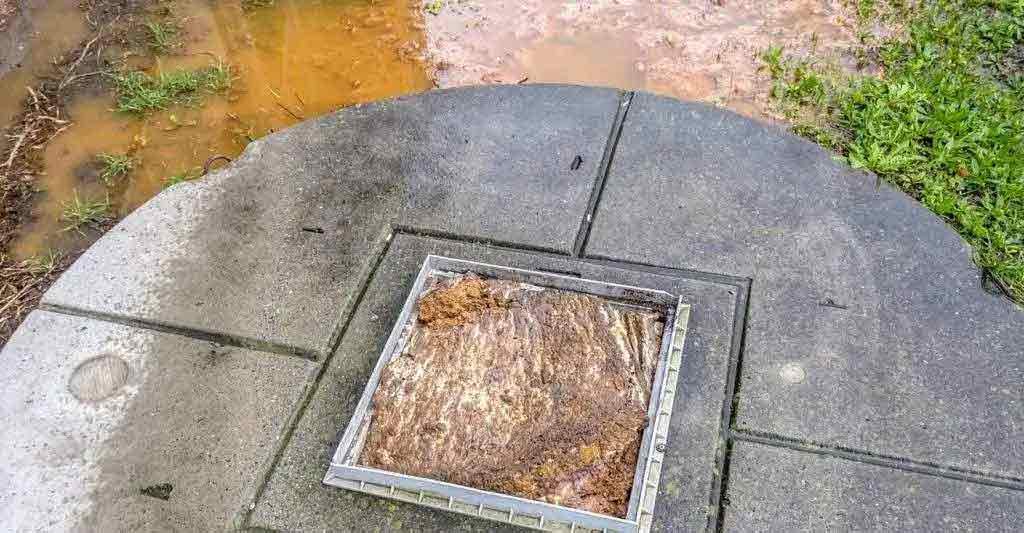
What to Do If Your Septic Tank Starts Smelling: Treatment Tips
A pungent odor emanating from your yard can be a sign of a septic tank issue. While a bit of smell is normal, a strong, persistent stench usually indicates a problem that needs addressing. Here's a guide to tackling those smelly situations:
Understanding the Source of the Smell
The most common culprit behind a septic tank odor is a malfunctioning or overloaded system. Here's a breakdown of potential causes:
Overloading
A septic tank can only handle a certain amount of waste. If you're experiencing frequent guests or have recently increased water usage, your system might be overwhelmed. This leads to wastewater backing up and causing the foul smell.
Clogged Drain Field
The drain field, responsible for filtering wastewater, can become clogged with solids or grease. This blockage prevents proper drainage, forcing wastewater to back up and emit unpleasant odors.
Septic Tank Lid Issues
A loose or broken lid on your septic tank can allow gases to escape, creating a noticeable odor.
Other Factors
Addressing the Septic Tank Smell: Effective Solutions
Once you've identified the source of the smell, it's time to tackle the problem. Here are some steps you can take:
1. Reduce Water Usage
Temporarily reduce water consumption by taking shorter showers, limiting laundry loads, and avoiding unnecessary water use. This gives the system time to catch up and alleviate the pressure.
2. Add Septic Tank Additives
Septic tank additives contain beneficial bacteria that help break down waste more efficiently. These additives can help improve the system's overall performance and reduce odor.
3. Pump Your Septic Tank
If the odor persists, it's time to contact a licensed septic tank professional to have the tank pumped. This removes excess sludge and solids, preventing backups and reducing odors. They can also inspect your system for other potential issues.
4. Avoid Flushing Problematic Items
5. Inspect Your Drain Field
Examine your drain field for any signs of distress or blockage. Look for sunken or wet areas, indicating potential issues. A professional can help identify and address any problems.
6. Repair or Replace the Septic Tank Lid
If your tank lid is loose or broken, a professional can repair it or replace it with a new one to prevent gas from escaping.
When to Call a Professional
If you've tried the above solutions and the smell persists, or if you suspect a more significant problem, contact a qualified septic tank professional. They can accurately diagnose the issue, provide appropriate solutions, and ensure your septic system functions properly.
Preventing Septic Tank Smells in the Future
By understanding the potential causes of septic tank smells, taking preventative measures, and calling in a professional when needed, you can keep your system functioning efficiently and your home odor-free.
0 comments:
Post a Comment
Note: Only a member of this blog may post a comment.