How to Prevent and Treat Septic Tank Odor All Year Long
Let's face it: nobody wants to deal with the unpleasant smell of a septic tank. It's one of those homeownership headaches that can make you wish you'd just gone with a city sewer system. But before you go jumping to drastic conclusions, let's dive into how to prevent and treat septic tank odor, so you can enjoy the peace of mind that comes with a well-functioning system.
Understanding the Root of the Problem
Septic tank odor is a sign that something's amiss in your system. The culprits are often a combination of factors, including:
- Overloading: When your tank gets overloaded with too much waste, it can cause a backup and release gases that create the unpleasant smell.
- Improper Maintenance: Regular maintenance is crucial for keeping your tank in tip-top shape. This includes pumping the tank out every few years, depending on its size and usage.
- Clogged Drain Field: Your drain field is where the treated wastewater from your septic tank is dispersed into the ground. If it becomes clogged, it can lead to a buildup of waste and foul odors.
- Cracked Tank or Pipe: A damaged tank or pipe can allow wastewater to escape into the soil, creating a breeding ground for bacteria and emitting unpleasant smells.
- Improper Venting: Your septic tank needs proper ventilation to release gases safely. If the vent is blocked or malfunctioning, it can trap odors inside the tank and cause them to escape into your home.
Preventing Septic Tank Odor: A Proactive Approach
The best approach to dealing with septic tank odor is to prevent it from happening in the first place. Here's how:
1. Know Your Septic System
Before you start making changes, it's essential to know your septic system like the back of your hand. You should know its size, age, how often it needs to be pumped, and the location of the drain field. A good place to start is your septic tank inspection report, if you have one. This will provide a baseline for your system and help you understand its current condition. Don't be afraid to ask questions! If you're not sure about something, contact a licensed septic tank professional. It's always better to be safe than sorry.
2. Practice Good Habits
Simple changes in your daily routine can go a long way in preventing odors:
- Avoid Flushing Problematic Items: Things like wipes, paper towels, feminine hygiene products, and even coffee grounds can clog your system. Stick to toilet paper and flush only what's meant to go down the drain.
- Don't Overuse the Garbage Disposal: While garbage disposals are convenient, they can overload your septic system with food waste. Use them sparingly, or consider composting instead.
- Use Water Wisely: Take shorter showers, fix leaks promptly, and be mindful of water usage to avoid overloading your septic system.
- Be Cautious with Chemicals: Certain chemicals, such as bleach, paint thinner, and harsh cleaners, can damage the beneficial bacteria in your septic tank. Use them sparingly or consider eco-friendly alternatives.
3. Regular Maintenance: The Key to Longevity
Regular maintenance is key to keeping your septic system healthy and odor-free. Here's what you need to do:
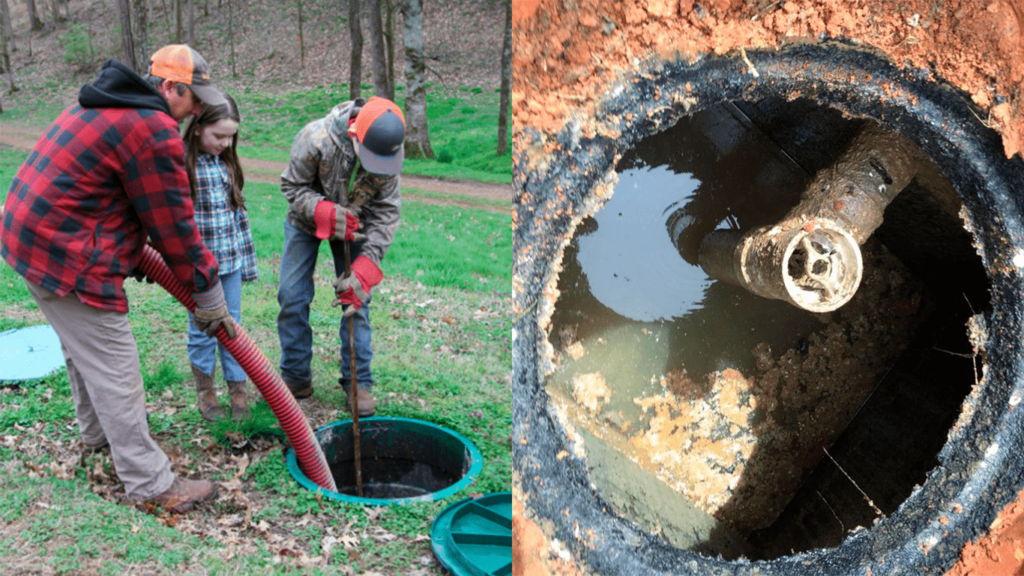
- Pump Your Tank: The frequency of pumping depends on factors like your tank size, the number of people in your household, and the amount of water usage. A good rule of thumb is to have your tank pumped every 3-5 years, but it's best to consult with a professional to determine the appropriate schedule for your system.
- Inspect the Drain Field: Ensure the drain field is clear of debris and vegetation that can obstruct the flow of wastewater.
- Check for Leaks: Regularly inspect your tank and pipes for cracks or leaks that could lead to wastewater seepage and odor.
- Clean the Vent Pipe: Make sure the vent pipe is clear of any obstructions that can block the flow of gases. You can use a brush or a vacuum cleaner to remove any debris.
Tackling Septic Tank Odor: A Step-by-Step Approach
If you're already dealing with septic tank odor, don't panic! There are several things you can do to eliminate the smell.
1. Address the Root Cause
The first step is to identify the source of the odor. This might require a little detective work. Does the smell seem to be coming from the tank itself, the drain field, or your home? Once you've pinpointed the area, you can take appropriate action. For example, if the smell is coming from the tank, you might need to have it pumped. If it's coming from the drain field, you might need to have it inspected and possibly repaired. And if it's coming from your home, you might need to check your plumbing for leaks.
2. Temporary Fixes: For Immediate Relief
While addressing the root cause is crucial, you might want to tackle the odor temporarily. Here are some solutions:
- Baking Soda and Vinegar: Pour a cup of baking soda down the drain followed by a cup of vinegar. Let it fizz for a few minutes, then flush with hot water. This helps deodorize the pipes and neutralize unpleasant smells.
- Commercial Drain Cleaners: These can be effective for tackling strong odors, but use them sparingly and according to the manufacturer's instructions.
- Activated Charcoal: Place bowls of activated charcoal around the affected areas. It absorbs odors and helps neutralize them.
- Ventilation: Improve ventilation by opening windows and running fans to help air out the affected areas.
3. Professional Help: When Needed
If you're not comfortable tackling the problem yourself, or if the odor persists despite your efforts, it's time to call in a professional. A licensed septic tank technician can inspect your system, identify any issues, and recommend solutions. They can also help you determine the frequency of maintenance required for your specific system.
Living With a Septic Tank: Tips for Peace of Mind
You can embrace your septic tank and enjoy the benefits of a well-maintained system. Remember, it's all about prevention, routine maintenance, and proactive action. By understanding your system, practicing good habits, and addressing any issues promptly, you can minimize odor and enjoy a clean, healthy environment for years to come.
0 comments:
Post a Comment
Note: Only a member of this blog may post a comment.